
Healthcare Services
Tracking access to essential healthcare, medical assistance, and community health interventions.
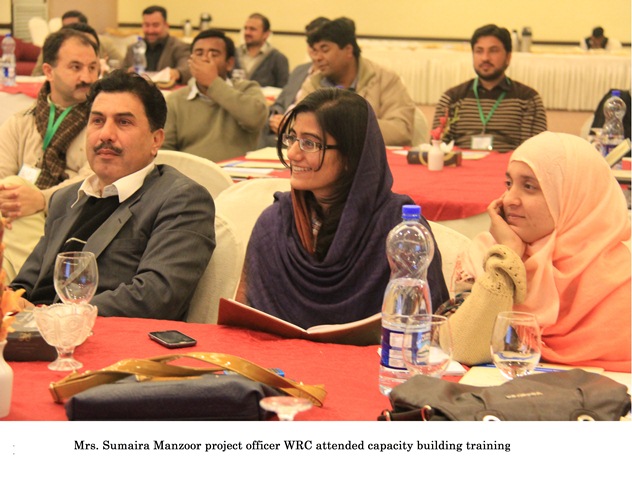
WRC is committed to measuring the reach, effectiveness, and outcomes of its humanitarian and development initiatives. Through systematic monitoring, programme reporting, and performance assessment, we track progress, identify areas for improvement, and strengthen accountability to our partners, donors, and the communities we serve.
Our impact indicators reflect the scale of our interventions, the services delivered, and the progress achieved across our programme sectors.
Programme Sectors
Tracking access to essential healthcare, medical assistance, and community health interventions.
Measuring participation in educational programmes, vocational training, and capacity-building initiatives.
Monitoring households reached through food assistance, emergency relief, and essential support.
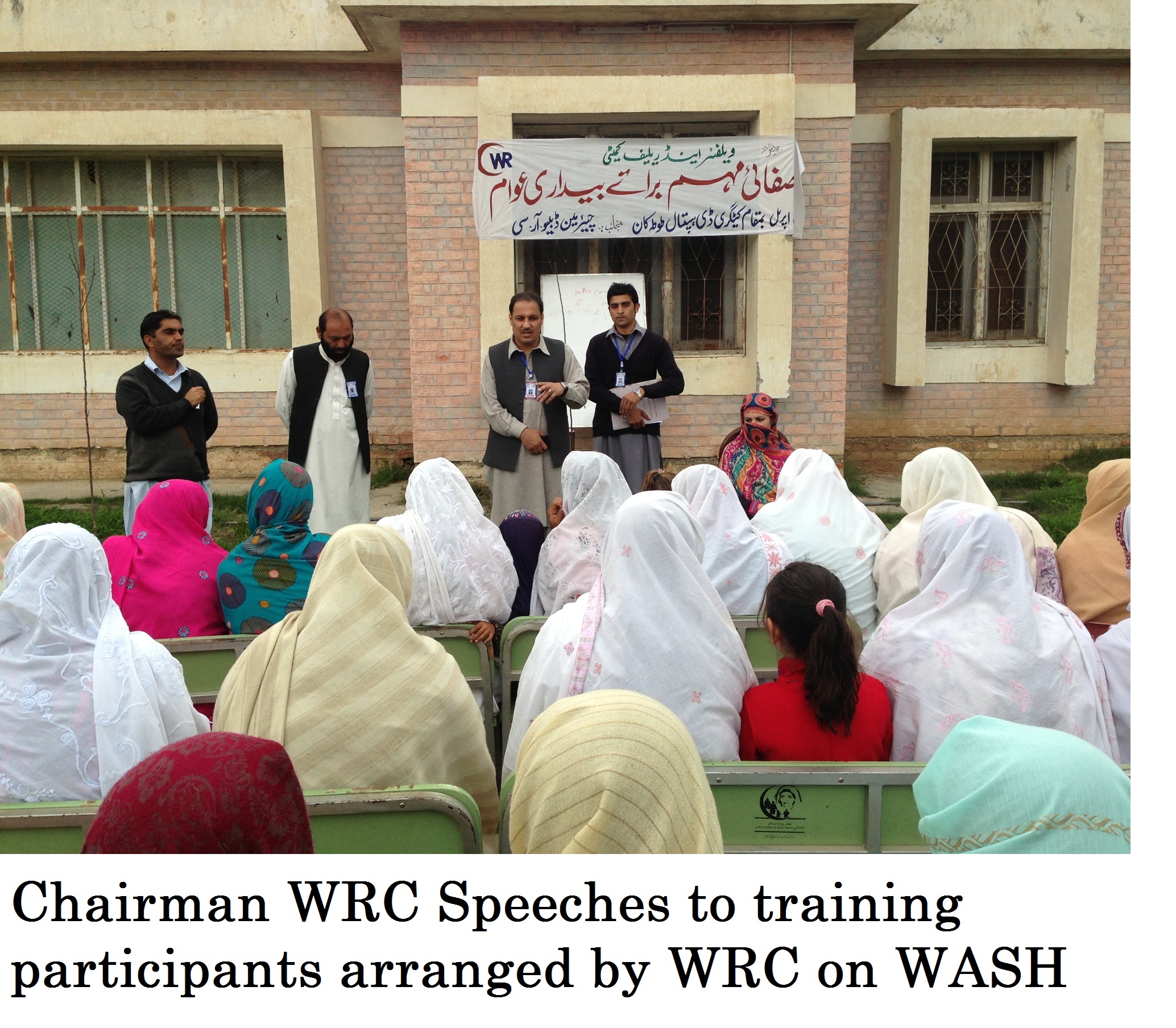
Assessing access to clean water and community-based WASH interventions.
Tracking participation in vocational training, skills development, and livelihood initiatives.
Our Reach
Beneficiaries reached are reported once across our four programme sectors, so the total reflects people, not service contacts.
Beneficiaries Reached
All programme sectors combined
Health
Medical camps, clinics & emergency care
Skills
Vocational & livelihood training
Food
Emergency food & nutrition support
WASH
Clean water, sanitation & hygiene
Provinces Covered
Nationwide coverage
How We Ensure Quality
WRC recognizes that effective programme delivery requires continuous monitoring, transparent reporting, and meaningful accountability. Our monitoring and evaluation approach focuses on tracking implementation progress, assessing programme performance, identifying challenges, and documenting results.
Regular monitoring of project activities, implementation progress, timelines, and deliverables against approved project plans.
Systematic collection and review of programme information, beneficiary records, and supporting documentation to maintain reliable reporting.
Review of implementation processes and service delivery to identify gaps, strengthen operational standards, and promote continuous improvement.
Encouraging feedback from beneficiaries and communities to understand their experiences, identify concerns, and improve programme responsiveness.
Periodic assessment of programme achievements, challenges, outputs, and outcomes to support evidence-based decisions and institutional learning.
WRC aligns its humanitarian and development initiatives with the United Nations Sustainable Development Goals (SDGs). Our programmes contribute directly to SDG 3 (Good Health & Well-Being), SDG 8 (Decent Work & Economic Growth), SDG 2 (Zero Hunger) and SDG 6 (Clean Water & Sanitation), with every beneficiary counted once across these four sectors.
Our programme activities are mapped against relevant SDG targets to demonstrate their contribution and identify opportunities for greater impact.
WRC runs free medical camps, maternal and child health services, emergency treatment and community health programmes that bring essential care closer to underserved families.
Beneficiaries reached
1,035,830
Health beneficiaries
Vocational training, enterprise support and livelihood opportunities help young people and women earn a stable income and build stronger local economies.
Beneficiaries reached
2,778
Skills beneficiaries
Emergency food distributions, nutrition support and food-security assistance protect families facing hunger, seasonal shortages and displacement.
Beneficiaries reached
5,100
Food beneficiaries
Clean water systems, sanitation improvements and hygiene promotion reduce waterborne disease and improve health in rural and disaster-affected communities.
Beneficiaries reached
2,500
WASH beneficiaries
Real Stories, Real Impact
In-depth look at how WRC programs transform lives, backed by data and beneficiary voices.
Before WRC installed the water well, my children walked 3km each day for water. Now they go to school instead. Our family's health has completely transformed.
Zainab Bibi
Community Beneficiary · Peshawar, KP

When the floods destroyed our crops, WRC food packs kept my family alive for three months. They didn't just bring food ÔÇö they brought hope back to our village.
Ahmed Khan
Farmer, Sindh · Sukkur, Sindh
My daughter was about to drop out of school because we couldn't afford books. WRC gave her a complete kit and now she's top of her class. Education changes everything.
Fatima Noor
Mother of 3, Punjab · Lahore, Punjab

A Strategic Partnership for Humanitarian Support, Education, Health, Youth Empowerment and Sustainable Community Development in Khyber Pakhtunkhwa.